Closed seasons
What are closed seasons?
The minister can set a closed season for certain fish species. This is done on the basis of art. 2a, paragraph 2 of the Fisheries Act 1963 and art. 5c of the Fisheries Implementation Regulation. A closed season means you must immediately return that species to the same water. You may not have the fish in your possession during that period. The measure protects the fish during vulnerable periods.
Note: from 1 April up to and including the last Saturday in May, many waters also have a closed season for certain bait types. For the IJsselmeer that period runs from 16 March up to and including 30 June. See the next chapter for details.
See all fish species in our online fish guide (the Sportvisunie).
Closed seasons per species
The following fish species have statutory closed seasons:
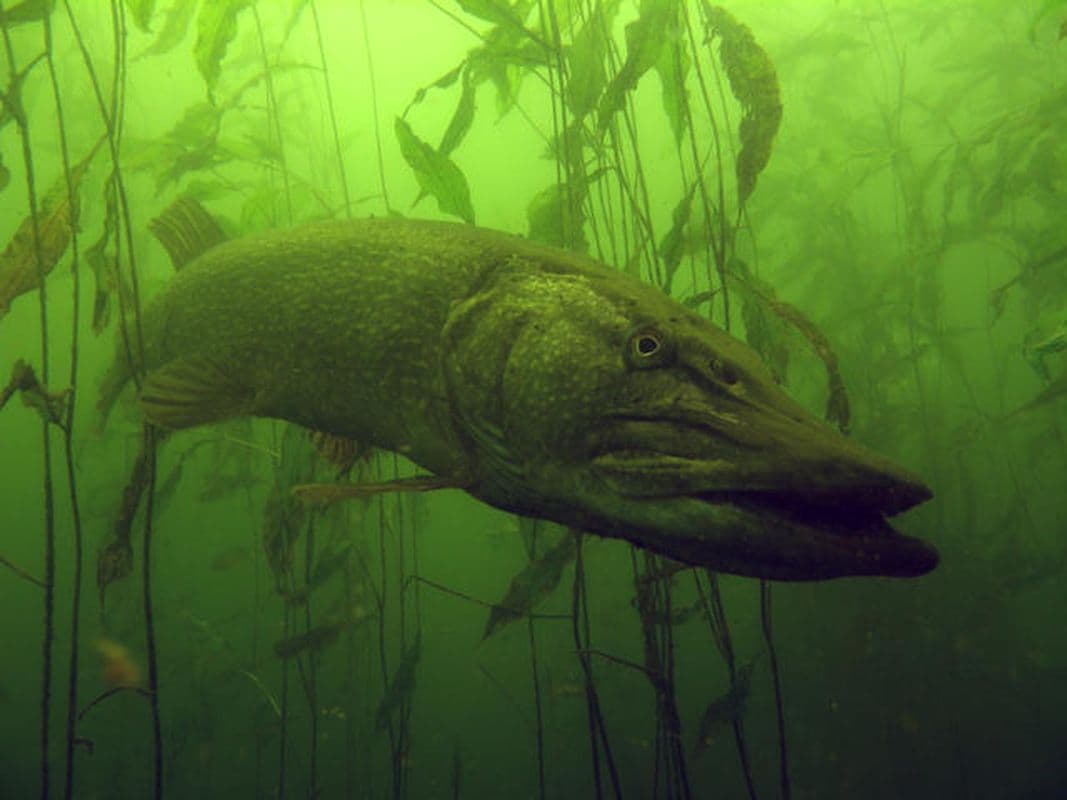
- Pike: 1 March up to and including the last Saturday in May (IJsselmeer: up to and including 30 June).
- Barbel, Chub and Roach: 1 April up to and including 31 May.
- Zander and Perch*: 1 April up to and including the last Saturday in May (IJsselmeer: up to and including 31 May)**.
- Brook trout: 1 October up to and including 31 March.
- Allis shad, Herring (fint), Wels catfish, Sand eel (serpeling), Smelt, Sea trout, Salmon, Lamprey and Sabre carp (vlagzalm): all year.
- River lamprey: 1 November up to and including 31 January and 1 March up to and including 30 April.
*For perch smaller than 22 cm, except on the IJsselmeer, there is an exception. The person entitled to fish with a rod may possess an unlimited number of undersized perch. These perch must be kept alive in a keepnet or bucket and returned alive to the same water.
**Art. 5c states 31 May. Art. 61 of the Fisheries Implementation Regulation provides an exemption from the last Saturday in May.
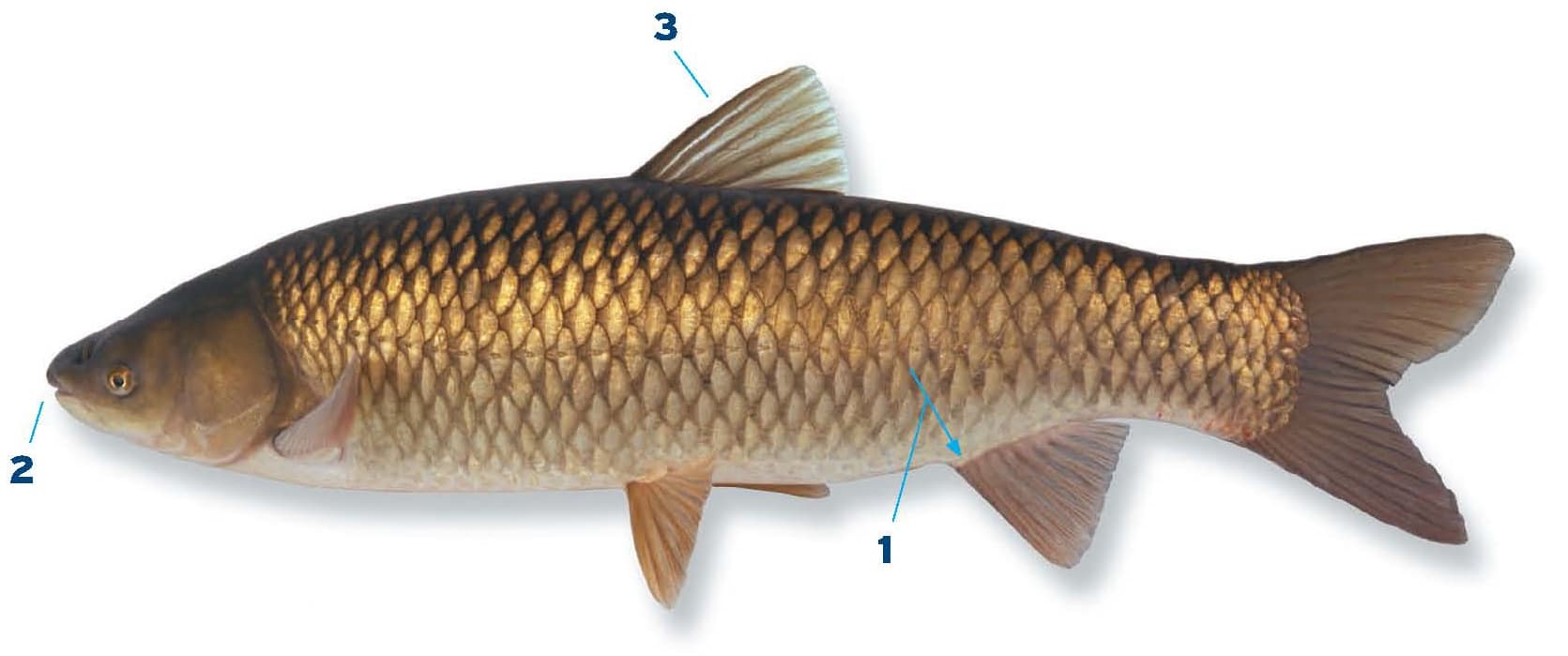
The grass carp is released by the manager to control aquatic plant growth. You must always return grass carp.
A fishing-rights holder can record a longer closed period in a written permission. That period may not be shortened by the rights holder compared to the statutory period.
Closed season for bait types when angling
From 1 April up to and including the last Saturday in May, many inland waters prohibit fishing with a rod using:
- a dead fish;
- a piece of fish;
- slaughter products;
- all types of artificial bait, except artificial flies smaller than 2.5 cm.
For the IJsselmeer this ban applies from 16 March up to and including 30 June.
The ban does not apply to Walcheren, Schouwen-Duiveland, Tholen, Noord-Beveland, Zuid-Beveland Canal, the Port of Goes, the Veerse Meer and the Grevelingenmeer and their inlets and creeks.
The law also counts crustaceans and shellfish as “fish”. So you may not fish during the mentioned period with lobsters, crabs, shrimp or cephalopods.
The ban applies only to fishing with a rod. You may use the mentioned bait types in groundbait.
Formally the ban covers all kinds of artificial bait. Therefore we recommend not using artificial maggots or artificial corn during the closed period. Use real maggots to avoid risks.
A fishing-rights holder can impose additional conditions in the written permission. For the IJsselmeer and Markermeer a longer closed period often applies. Consult the Joint List of Dutch Fishing Waters and the Small List of Fishing Waters (the Sportvisunie) for the exact dates and conditions for perch and zander.
Examples
- In March you can often still fish with artificial bait or a dead fish. If you catch a pike, return the pike immediately.
- In March you may keep a zander or perch that meets the minimum size, if the permit allows it.
- From 1 April up to and including the last Saturday in May you may not fish with artificial bait or dead fish. Any pike, zander or perch must be returned immediately.
- From the last Saturday in May you may again fish with all bait types. Oversized perch and zander may be kept if the permission allows. Often the permission forbids keeping pike.
Closed season for eel-gear in all waters
From 1 September up to and including 30 November there is a closed season for various eel fishing gears. The aim is to give adult eels the chance to migrate to the sea and spawn.
During that period it is forbidden to fish with:
- the aaldogger (eel dragnet);
- the aalfuik (eel fyke net)*;
- the aalhoekwant (eel stake net)**;
- the aalkistje (eel box);
- the aalzegen (eel seine);
- the ankerkuil (anchor fyke);
- electrofishing equipment;
- the peur (a traditional eel trap);
- the fish fyke;
- any other fishing gear than the rod that is mainly intended for eel.
You may also not have these gears with you on or near the water.
*Exemption: for fishing for Chinese mitten crab (wolhandkrab) an adapted eel fyke with an escape option for eel is sometimes allowed. The fisher must have a control agreement with the Product Board for Fisheries (Productschap Vis). See the ruling of the District Court of Groningen (ECLI:NL:RBGRO:2012:BX0485) about incorrect modification.

**For sea and coastal fisheries an exemption for the aalhoekwant sometimes applies, provided the net does not touch the bottom and the hooks are at least 10 mm. See art. 32a of the Fisheries Implementation Regulation and Government Gazette no. 9712 of 24 June 2010.
The Fisheries Implementation Regulation is based on the Fisheries Act 1963. Violation of the regulation falls under the Economic Offences Act.
Bycatch during the closed season for eel-gear
Eels that you catch as bycatch with allowed fishing gear during this period must be returned immediately to the same water. You may also not have eels in your possession from 1 September up to and including 30 November.
The Fisheries Implementation Regulation is based on the Fisheries Act 1963. Violation of that regulation can constitute an economic offence.
Specific local rules and conditions are listed in the lists of fishing waters and in the written permission for each water.