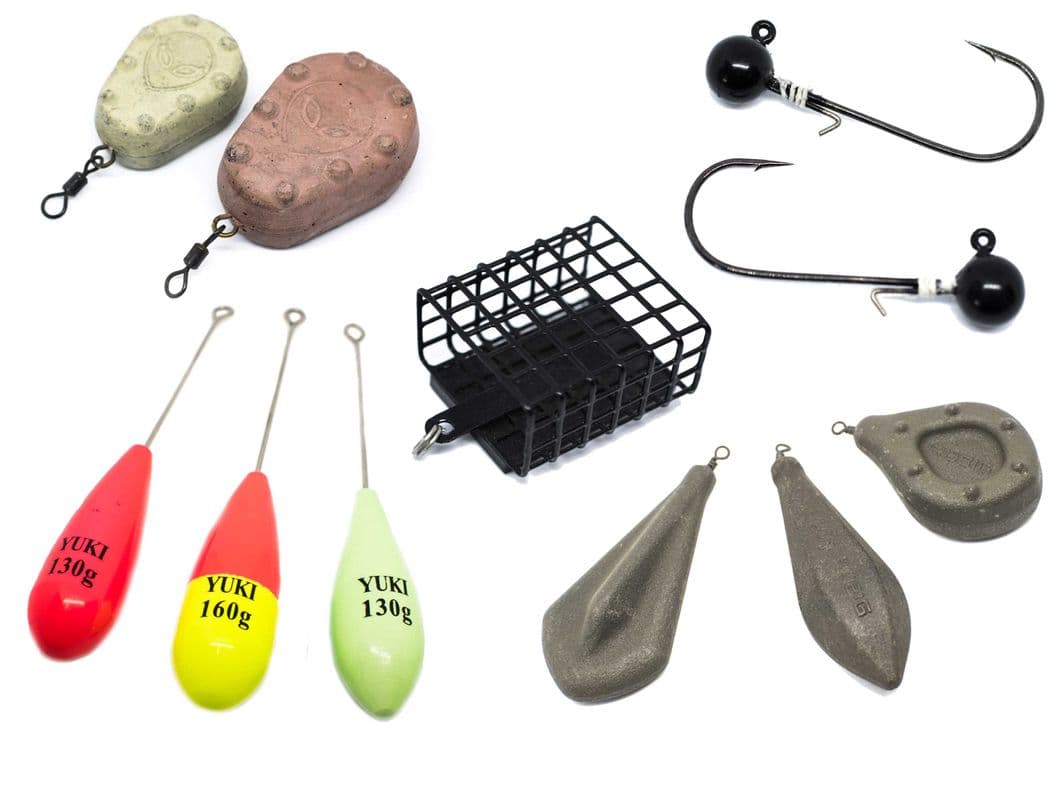

Health risks of fishing lead
Lead is a heavy metal and a hazardous substance. Many recreational anglers are not well informed about its harmful effects. The World Health Organization (WHO) lists lead among the ten most dangerous chemicals for public health. The Sportvisunie explains what lead does to your body and how to fish safely.
What does lead do to your body?
Lead damages the nervous system and brain development. In children it lowers IQ and increases the risk of behavioural problems. In adults, lead exposure raises the risk of anaemia, high blood pressure and reduced kidney function. Lead also reduces male fertility and can cause miscarriages.
Pregnant women and young children absorb more lead. Lead reaches the unborn child via the placenta and can severely damage the developing nervous system.
Lead poisoning
Lead poisoning occurs in two forms:
- Acute poisoning follows high exposure, for example from inhaling lead fumes or ingesting a large amount of lead.
- Chronic poisoning develops from repeated exposure to low concentrations. Even very low concentrations cause harm. There is no safe blood lead level.
How can you be exposed to lead?
Recreational anglers are at risk when:
- They melt lead to make casting weights themselves.
- They bite or hold split shot and small pellet weights near their mouth.
- They accidentally swallow small lead weights.
Staff in tackle shops and people who work with lead daily also deserve extra attention.
Tips for safe fishing
Follow these recommendations from the Sportvisunie:
- Avoid lead. Choose environmentally and health-friendly alternatives. See this overview: https://www.sportvisserijnederland.nl/vis-water/sportvisserij-loodvrij/overzicht-loodalternatieven/
- Do not melt and cast lead. If you do, ensure good ventilation and local extraction.
- Wear gloves, a dust mask and safety glasses when casting lead.
- Do not eat or smoke while casting. Clean your workspace with a damp cloth and dispose of the cloth.
- Keep children and pregnant women away from casting and stored lead.
- Never put lead in your mouth, not even to close split shot by biting.
- Buy dispenser boxes that release one pellet at a time.
- Always wash your hands after handling lead.
- Store lead out of reach of children.
- Return unused lead to your local recycling centre or hazardous waste facility.
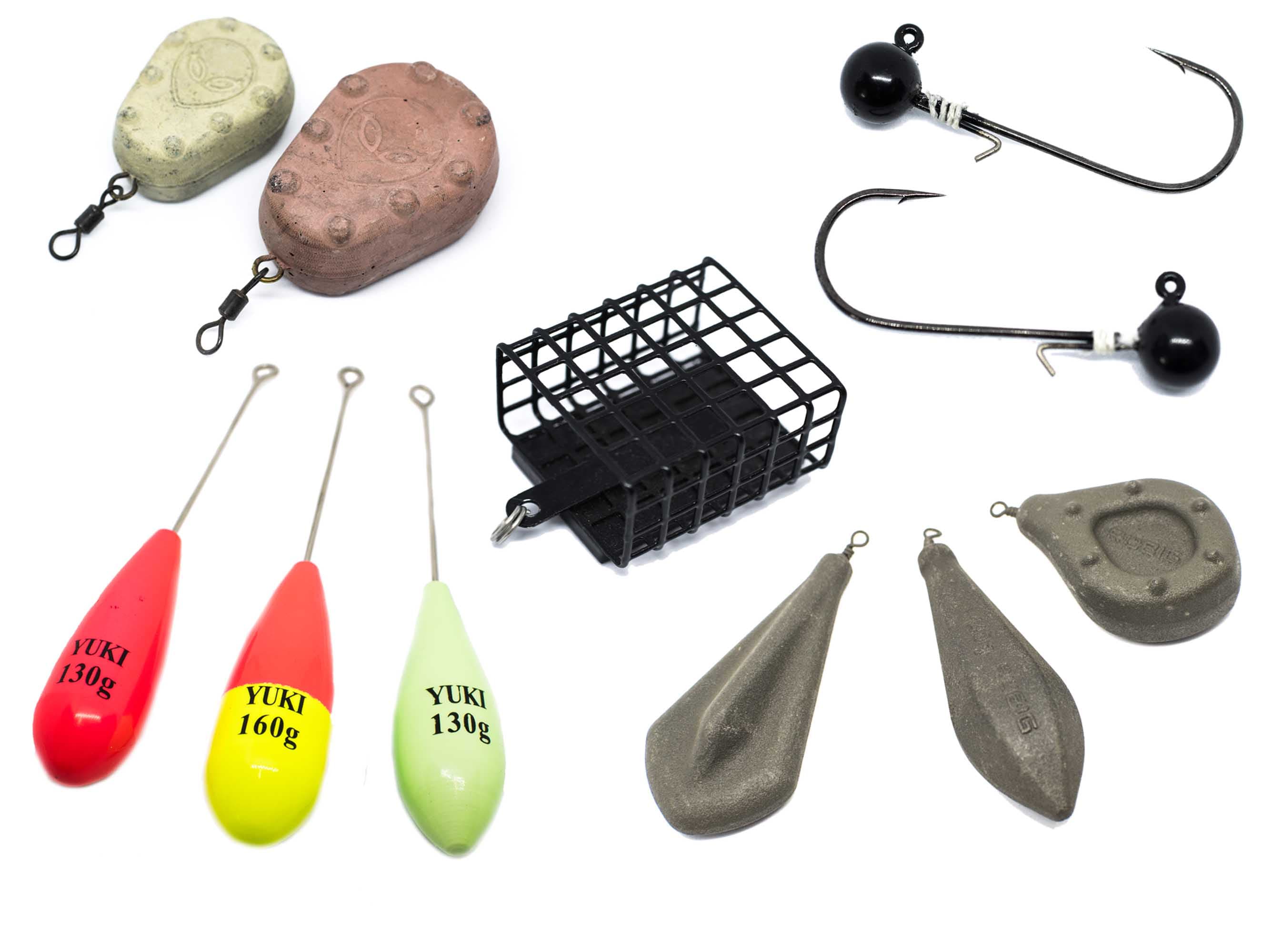
The Sportvisunie recommends switching to lead-free weights as soon as possible. That way you protect yourself, your family and the environment.
Choose lead-free alternatives today and reduce your exposure to lead.